Most Americans at least suspect that the meanings, menus and traditions we associate with Thanksgiving—even its date—have only a nodding acquaintance with historical fact.
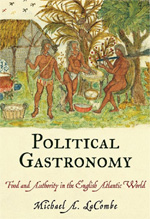 By Michael A. LaCombe, Ph.D.
Associate Professor of History and author of Political Gastronomy: Food and Authority
in the English Atlantic World (The University of Pennsylvania Press: 2012)
Most Americans at least suspect that the meanings, menus and traditions we associateÌýwith Thanksgiving—even its date—have only a nodding acquaintance with historicalÌýfact. Before the founding of Plymouth in 1620 and for centuries afterward, days ofÌýthanksgiving were celebrated without any reference to Pilgrims, cranberries or roastÌýturkey, much less Native Americans.
Even so, commemorating Plymouth’s 1621 harvest feast can teach important lessons.ÌýThanksgiving is arguably the only American symbol that places Indians at the centerÌýof our national narrative in a positive way. In their crudest form, many images ofÌýThanksgiving ignore the violence, disease, death and dispossession that mark everyÌýchapter of Native American history, replacing them with cartoonish, smiling Pilgrims andÌýIndians passing steaming dishes of food around a table. Other representations depictÌýIndians as trusting allies betrayed and exploited by European greed. Both ignore a vitalÌýfact: in 1621, English settlements were frail tributaries of powerful, canny native leadersÌýwho tolerated their presence as allies and trading partners.
The most substantial description of the first Thanksgiving begins like this: “our harvestÌýbeing gotten in, our Governour sent foure men on fowling, that so we might after a moreÌýspecial manner rejoyce together, after we had gathered the fruit of our labours.â€� AfterÌýthese four returned, the Plymouth planters “exercised our Armes, many of the IndiansÌýcoming amongst us.â€� This is where the story gets interesting.
Of the 100 or so men, women and children who had settled at Plymouth the previousÌýwinter, more than half were dead. Relations with the Wampanoag tribe were friendly,Ìýbut the unexpected arrival of their leader Massasoit along with 90 able-bodied, armedÌýmen was understandably a bit alarming. Massasoit was greeted with a fusillade ofÌýgunfire, turned and left, returning shortly afterward with five deer, which he took pains toÌýpresent personally to each of Plymouth’s leading men.
The meal that followed was a rare occasion of commensality in early America, aÌýcelebration of peace and abundance that included both English and Indians. ButÌýMassasoit’s conduct underscored the fact that the English were guests, not equals.ÌýArriving in state, bearing the bulk of the food consumed at the feast, Massasoit madeÌýit clear that Plymouth existed because he permitted it to exist. He was not out for aÌýstroll with 90 close friends on that fall day; instead, he was making it clear that anyÌýcelebration of Plymouth’s abundance must also honor him.
In the years that followed, the English spread themselves over the landscape,Ìýdisplacing native villages, crops and animals. As they recognized that the English couldÌýnot be contained, Indians everywhere resisted with violence. King Philip’s War of 1675–76 marks the end of that long and bloody struggle in New England, a clear end to theÌýperiod of accommodation and negotiation symbolized by Plymouth’s harvest feast. TheÌýwar was inspired and led by Metacom, Massasoit’s son, in a desperate push to removeÌýthe English from New England forever. As his allies surrendered or retreated, MetacomÌýwas captured and killed, then his corpse was beheaded and his head placed on theÌýgates of Plymouth. Not an appetizing image, to be sure, but an instructive one: althoughÌýmost Native Americans lost their lives and lands, they were never passive, much lessÌýnaïve. What had changed between Massasoit’s day and Metacom’s was the range ofÌýoptions available.
For further information, please contact:
Todd Wilson
Strategic Communications DirectorÌý
p – 516.237.8634
e – twilson@adelphi.edu